

Ivermectin Purity & Quality: Why 99%+ Matters
Purity is not a marketing number — it is the single most important variable in pharmaceutical compound reliability. For researchers working with ivermectin and for buyers who need consistent, predictable compound behaviour, understanding what purity means, how it is measured, and what lower-purity products actually contain is essential to making informed sourcing decisions.
What “Purity” Actually Means in Pharmaceutical Context
When a supplier states “99% purity,” they are asserting that 99% of the compound, by weight, consists of the target molecule — in this case, ivermectin (the B1a/B1b mixture). The remaining 1% may comprise:
- Residual synthesis by-products from the manufacturing process
- Degradation products formed during storage or shipping
- Unreacted precursor compounds from semi-synthesis
- Structural isomers or analogues of ivermectin with different biological activity profiles
- Heavy metal traces from manufacturing equipment or reagents
- Residual solvents used in recrystallisation or purification
At 99%+ purity, these impurities are collectively below 1% — a level that meets or exceeds international pharmacopoeial standards. At 90% or 95% “purity,” 5–10% of the tablet content is uncharacterised — which in a 12 mg tablet means 0.6–1.2 mg of unknown material per dose.
HPLC Testing: The Gold Standard for Purity Verification
What Is HPLC?
High-Performance Liquid Chromatography (HPLC) is an analytical chemistry technique that separates the components of a mixture by passing it through a column filled with a stationary phase while a liquid solvent (mobile phase) carries the components at different rates. Each component takes a characteristic amount of time to travel through the column — its “retention time” — and a detector (usually UV absorbance) measures the quantity of each component as it elutes.
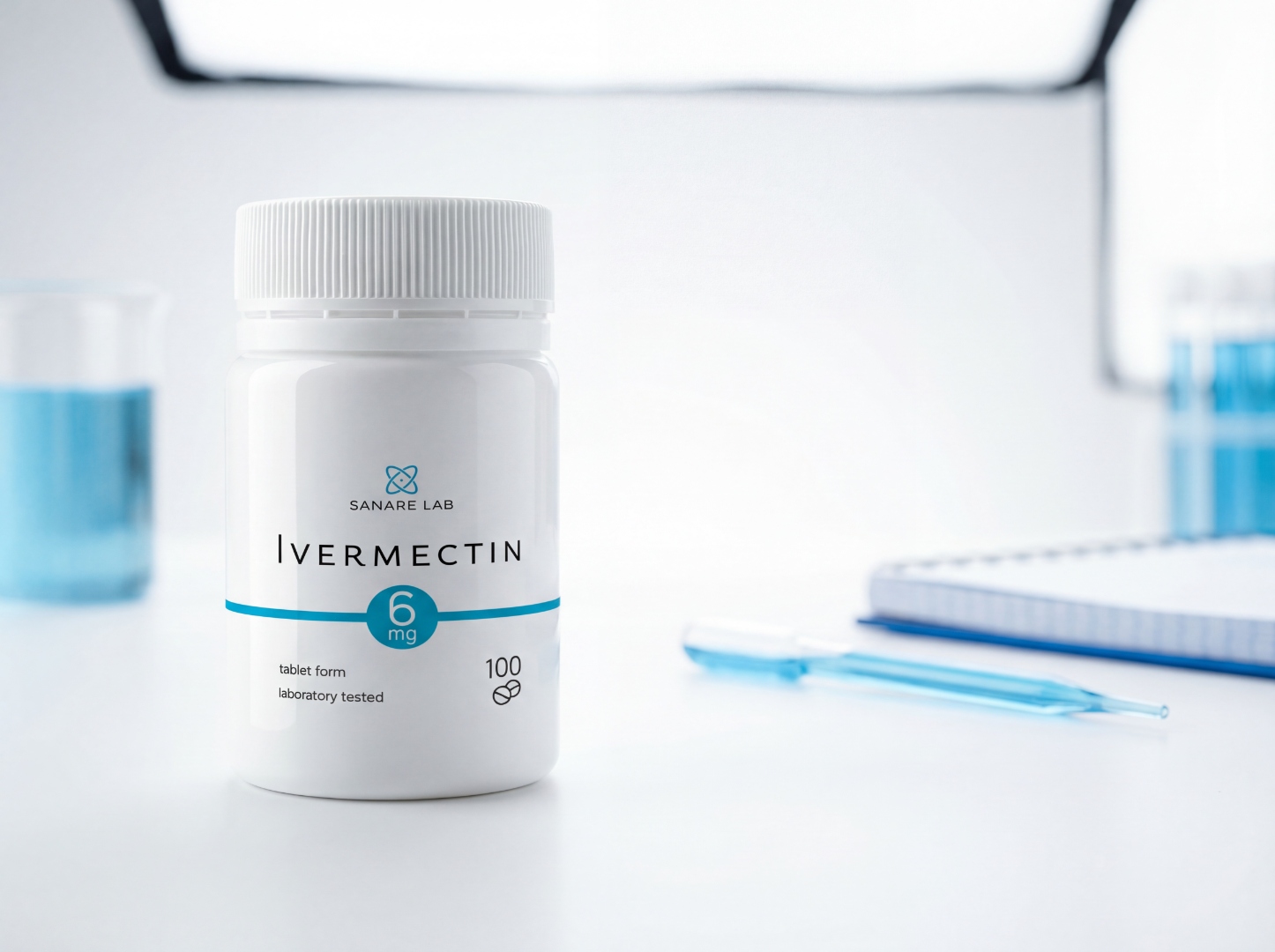
For ivermectin analysis, HPLC separates and quantifies:
- Ivermectin B1a (the dominant homologue, ≥80% of the active fraction)
- Ivermectin B1b (≥15% of the active fraction)
- H2B1a and H2B1b (dihydro precursors — a measure of manufacturing completeness)
- All other detectable impurities above the limit of detection
Why HPLC Cannot Be Faked (If Third-Party Verified)
The critical qualifier is “third-party.” An HPLC result from the manufacturer’s own laboratory can be manipulated — intentionally or through motivated reasoning. An HPLC result from an ISO 17025-accredited independent laboratory, with a unique accreditation number, sample receipt confirmation, and direct-to-buyer certificate delivery, is functionally unfalsifiable without criminal fraud. Always demand third-party HPLC COAs.
Reading a Certificate of Analysis
Anatomy of a Valid COA
A genuine, trustworthy Certificate of Analysis for pharmaceutical-grade ivermectin contains the following elements:
| COA Section | What It Tells You | Red Flag if… |
|---|---|---|
| Compound name & CAS No. | Identity of the molecule tested | CAS missing or incorrect (70288-86-7) |
| Batch / Lot number | Links COA to a specific production batch | Generic “batch” with no specific number |
| Test date | Confirms when testing occurred | Date missing or >2 years ago |
| Assay result (% purity) | Active compound percentage by HPLC | No method stated, or result below 98% |
| B1a / B1b ratio | Confirms correct homologue composition | Missing or outside ≥80:20 range |
| Related substances | Individual impurity levels | Not listed, or “passes” without values |
| Laboratory name & accreditation | Verifies independence of testing | Same as manufacturer, or unlisted |
Common Contaminants in Substandard Ivermectin
Process-Related Impurities
The semi-synthetic production of ivermectin from avermectin involves hydrogenation reactions. Incomplete reaction or inadequate purification leaves:
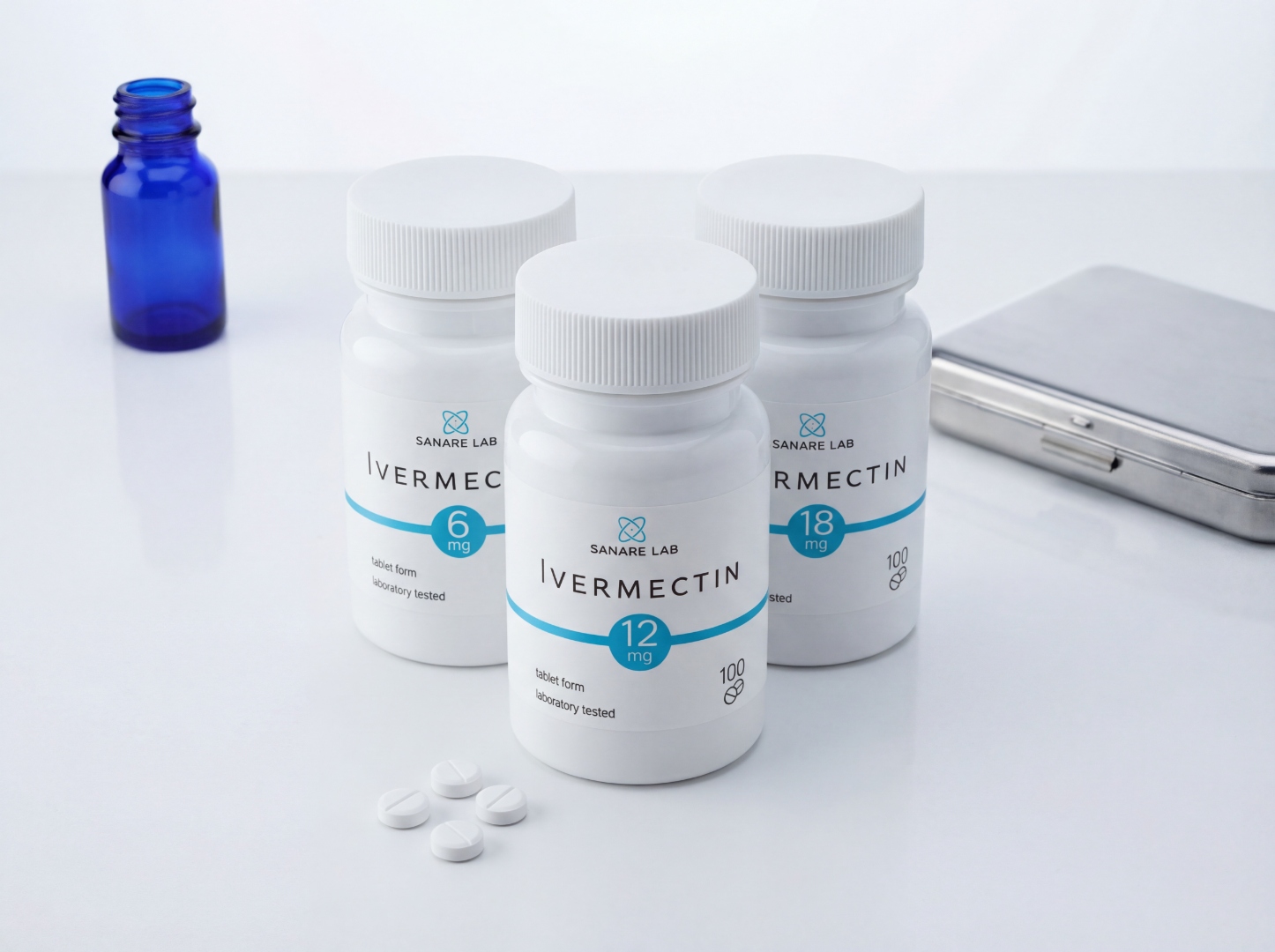
- H2B1a / H2B1b (avermectin precursors): Incompletely hydrogenated forms with different receptor affinity profiles
- Delta-8,9 isomers: Structural isomers formed under harsh reaction conditions
- Monosaccharide analogues: Partial deglycosylation products
Storage-Related Degradation Products
Ivermectin is susceptible to photodegradation and hydrolysis under improper storage conditions. Products stored without moisture control or exposed to UV light will progressively degrade, forming ivermectin monosaccharide — a breakdown product with substantially reduced activity and an incompletely characterised safety profile.
Excipient-Related Concerns
Non-pharmaceutical binders and fillers — such as industrial-grade microcrystalline cellulose, ungraded starch, or calcium carbonate with heavy metal contamination — can introduce variables entirely unrelated to the active compound. Pharmaceutical-grade excipients are manufactured to specification, tested for heavy metals, and carry their own quality documentation.
Purity Tiers: How Suppliers Compare
| Purity Level | Typical Source | Research Suitability | Impurity Concern |
|---|---|---|---|
| ≥99% (HPLC, 3rd-party) | Pharmaceutical-grade tablet suppliers | High — reproducible, reference-grade | Minimal (<1% uncharacterised) |
| ≥98% (HPLC) | Pharmacopoeial minimum (BP/USP) | Acceptable for most protocols | Low-moderate |
| 95–97% | Bulk API, unverified tablets | Marginal — introduces variability | Moderate (3–5% uncharacterised) |
| <95% | Grey market, unknown origin | Unsuitable for serious research | High — significant unknowns |
Sanare Lab’s Quality Commitment
Every batch of ivermectin tablets sold by Sanare Lab is:
- Manufactured to pharmaceutical GMP standards
- Independently HPLC-tested by an accredited third-party laboratory
- Certified at ≥99% purity with full B1a/B1b ratio documentation
- Packaged in sealed, tamper-evident, light-protective containers
- Shipped with moisture control under temperature-monitored protocols
- Accompanied by a downloadable COA linked to the specific batch on each product page
For further context on sourcing decisions and vendor evaluation, see our guide on How to Buy Ivermectin Online Safely. For a scientific overview of the compound itself, visit our Complete Ivermectin Guide.