IVERMECTIN
Premium Research Formula
New Formula
Same Quality Standards
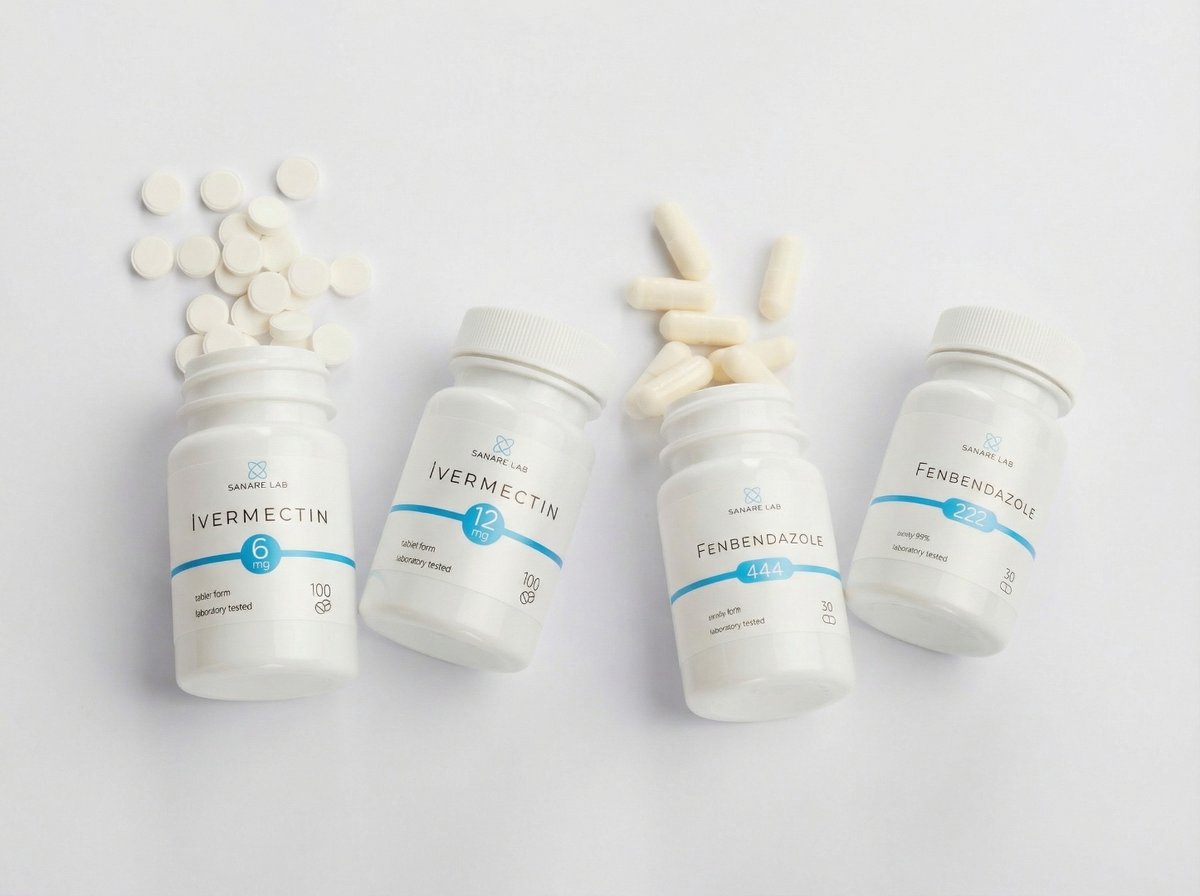
Ivermectin 6 mg — 100 Tablets
$59.99
+ Free ShippingIvermectin 6 mg tablets — 100 count per bottle. Nobel Prize-winning compound, 99%+ purity verified, USA manufactured. Laboratory tested, tablet form, sealed packaging. Free USA shipping.
Buy more, save more
Discount applied automatically at checkout
Description
Ivermectin 6 mg — 100 Tablets
Our entry-level dosage — ideal for those starting their ivermectin journey or requiring a lower per-tablet concentration.
What Is Ivermectin?
Ivermectin is a Nobel Prize-winning compound discovered in the 1970s by Satoshi Ōmura and William C. Campbell. Originally derived from Streptomyces avermitilis, a soil bacterium found in Japan, ivermectin has since become one of the most widely used medications in human history — with billions of doses administered worldwide.
In 2015, Campbell and Ōmura were awarded the Nobel Prize in Physiology or Medicine for their discovery, which revolutionized treatment for parasitic infections including river blindness (onchocerciasis) and lymphatic filariasis. The WHO lists ivermectin as an Essential Medicine, and Merck has donated over 4 billion treatments through the Mectizan Donation Program since 1987.
How Ivermectin Works
Ivermectin is a macrocyclic lactone that works by binding to glutamate-gated chloride channels in the nervous system of parasites, causing paralysis and death. In mammals, these channels are protected by the blood-brain barrier, giving ivermectin an exceptionally wide safety margin.
Beyond its antiparasitic action, researchers have identified multiple biological pathways affected by ivermectin:
- Wnt/β-catenin pathway — involved in cell proliferation and differentiation
- PI3K/Akt/mTOR pathway — a key regulator of cell growth and survival
- STAT3 signaling — associated with inflammation and immune response
- NF-κB pathway — linked to inflammatory response regulation
- P2X4/P2X7 purinergic receptors — related to immune cell activation
- PAK1 kinase — involved in cell motility and cytoskeletal dynamics
Ivermectin in Published Research
Over the past decade, hundreds of peer-reviewed studies have investigated ivermectin’s potential beyond parasitology. Key research areas include:
Anticancer Properties
Published studies demonstrate ivermectin can inhibit proliferation and induce apoptosis across multiple cell lines — including breast, lung, colon, ovarian, pancreatic, liver, and melanoma models. Ivermectin has been shown to suppress cancer stem cells, inhibit tumor metastasis via the Wnt/β-catenin/integrin pathway, and convert immunologically “cold” tumors into “hot” ones, enhancing immune checkpoint therapy response.
Immunomodulatory Effects
Research published in npj Breast Cancer showed that ivermectin can induce immunogenic cell death (ICD), releasing danger signals that recruit T cells into the tumor microenvironment. In combination with anti-PD-1 immunotherapy, ivermectin demonstrated synergistic activity in preclinical breast cancer models, converting immune-resistant tumors into responsive ones.
Anti-Metastatic Activity
Studies in colorectal and breast cancer models have shown ivermectin can inhibit tumor cell migration and metastasis through regulation of the Wnt/β-catenin/integrin β1/FAK signaling pathway. Research also demonstrates ivermectin can block neutrophil extracellular trap (NET) formation by binding to Gasdermin D, potentially reducing metastatic spread to distant organs.
Key Published Studies
| Research Area | Key Finding | Journal |
|---|---|---|
| Breast Cancer | Converts cold tumors hot; synergizes with anti-PD-1 immunotherapy | npj Breast Cancer |
| Pancreatic Cancer | Synergy with gemcitabine; mTOR/STAT3 inhibition; G1 arrest | Cancer Research |
| Liver Cancer (HCC) | Inhibits proliferation; synergy with sorafenib; suppresses cancer stem cells | Hepatology |
| Colon & Breast Metastasis | Inhibits metastasis via Wnt/β-catenin/integrin β1/FAK pathway | Frontiers in Pharmacology |
| Melanoma | Blocks NET formation via Gasdermin D; reduces lung metastasis | Nature Communications |
| Ovarian Cancer | Paclitaxel + ivermectin synergy overcomes chemoresistance | Gynecologic Oncology |
Product Specifications
| Active Ingredient | Ivermectin 6 mg per tablet |
| Count | 100 tablets per bottle |
| Total Content | 600 mg ivermectin per bottle |
| Purity | 99%+ verified by independent lab testing |
| Form | Compressed tablets |
| Manufacturing | Made in the USA under GMP-compliant conditions |
| Packaging | Sealed bottle with tamper-evident cap |
| Storage | Store at room temperature (20–25°C), away from direct sunlight and moisture |
| Shipping | Free USA shipping · Worldwide delivery available |
Why Choose Sanare Lab
Compare All Dosages
| Dosage | Count | Total Content | Price | Per Tablet |
|---|---|---|---|---|
| Ivermectin 6 mg ★ | 100 | 600 mg | $59.99 | $0.60 |
| Ivermectin 12 mg | 100 | 1,200 mg | $99.99 | $1.00 |
| Ivermectin 18 mg | 100 | 1,800 mg | $149.99 | $1.50 |
Related products
-
1 Bottle$99.992 Pack -10%Popular$199.98$179.983 Pack -15%Best Value$299.97$254.97ADD TO CART4 Pack -20%Max Save$399.96$319.97
-
1 Bottle$149.992 Pack -10%Popular$299.98$269.983 Pack -15%Best Value$449.97$382.47ADD TO CART4 Pack -20%Max Save$599.96$479.97
Ivermectin 12 mg — 100 Tablets
$99.99
+ Free ShippingIvermectin 12 mg tablets — 100 count per bottle. Our best-selling dosage. Nobel Prize-winning compound, 99%+ purity verified, USA manufactured. Laboratory tested, sealed packaging. Free USA shipping.
Buy more, save more
Discount applied automatically at checkout
Description
Ivermectin 12 mg — 100 Tablets
Our most popular dosage — the standard choice for adults worldwide, matching the most commonly referenced concentration in published research.
What Is Ivermectin?
Ivermectin is a Nobel Prize-winning compound discovered in the 1970s by Satoshi Ōmura and William C. Campbell. Originally derived from Streptomyces avermitilis, a soil bacterium found in Japan, ivermectin has since become one of the most widely used medications in human history — with billions of doses administered worldwide.
In 2015, Campbell and Ōmura were awarded the Nobel Prize in Physiology or Medicine for their discovery, which revolutionized treatment for parasitic infections including river blindness (onchocerciasis) and lymphatic filariasis. The WHO lists ivermectin as an Essential Medicine, and Merck has donated over 4 billion treatments through the Mectizan Donation Program since 1987.
How Ivermectin Works
Ivermectin is a macrocyclic lactone that works by binding to glutamate-gated chloride channels in the nervous system of parasites, causing paralysis and death. In mammals, these channels are protected by the blood-brain barrier, giving ivermectin an exceptionally wide safety margin.
Beyond its antiparasitic action, researchers have identified multiple biological pathways affected by ivermectin:
- Wnt/β-catenin pathway — involved in cell proliferation and differentiation
- PI3K/Akt/mTOR pathway — a key regulator of cell growth and survival
- STAT3 signaling — associated with inflammation and immune response
- NF-κB pathway — linked to inflammatory response regulation
- P2X4/P2X7 purinergic receptors — related to immune cell activation
- PAK1 kinase — involved in cell motility and cytoskeletal dynamics
Ivermectin in Published Research
Over the past decade, hundreds of peer-reviewed studies have investigated ivermectin’s potential beyond parasitology. Key research areas include:
Anticancer Properties
Published studies demonstrate ivermectin can inhibit proliferation and induce apoptosis across multiple cell lines — including breast, lung, colon, ovarian, pancreatic, liver, and melanoma models. Ivermectin has been shown to suppress cancer stem cells, inhibit tumor metastasis via the Wnt/β-catenin/integrin pathway, and convert immunologically “cold” tumors into “hot” ones, enhancing immune checkpoint therapy response.
Immunomodulatory Effects
Research published in npj Breast Cancer showed that ivermectin can induce immunogenic cell death (ICD), releasing danger signals that recruit T cells into the tumor microenvironment. In combination with anti-PD-1 immunotherapy, ivermectin demonstrated synergistic activity in preclinical breast cancer models, converting immune-resistant tumors into responsive ones.
Anti-Metastatic Activity
Studies in colorectal and breast cancer models have shown ivermectin can inhibit tumor cell migration and metastasis through regulation of the Wnt/β-catenin/integrin β1/FAK signaling pathway. Research also demonstrates ivermectin can block neutrophil extracellular trap (NET) formation by binding to Gasdermin D, potentially reducing metastatic spread to distant organs.
Key Published Studies
| Research Area | Key Finding | Journal |
|---|---|---|
| Breast Cancer | Converts cold tumors hot; synergizes with anti-PD-1 immunotherapy | npj Breast Cancer |
| Pancreatic Cancer | Synergy with gemcitabine; mTOR/STAT3 inhibition; G1 arrest | Cancer Research |
| Liver Cancer (HCC) | Inhibits proliferation; synergy with sorafenib; suppresses cancer stem cells | Hepatology |
| Colon & Breast Metastasis | Inhibits metastasis via Wnt/β-catenin/integrin β1/FAK pathway | Frontiers in Pharmacology |
| Melanoma | Blocks NET formation via Gasdermin D; reduces lung metastasis | Nature Communications |
| Ovarian Cancer | Paclitaxel + ivermectin synergy overcomes chemoresistance | Gynecologic Oncology |
Product Specifications
| Active Ingredient | Ivermectin 12 mg per tablet |
| Count | 100 tablets per bottle |
| Total Content | 1200 mg ivermectin per bottle |
| Purity | 99%+ verified by independent lab testing |
| Form | Compressed tablets |
| Manufacturing | Made in the USA under GMP-compliant conditions |
| Packaging | Sealed bottle with tamper-evident cap |
| Storage | Store at room temperature (20–25°C), away from direct sunlight and moisture |
| Shipping | Free USA shipping · Worldwide delivery available |
Why Choose Sanare Lab
Compare All Dosages
| Dosage | Count | Total Content | Price | Per Tablet |
|---|---|---|---|---|
| Ivermectin 6 mg | 100 | 600 mg | $59.99 | $0.60 |
| Ivermectin 12 mg ★ | 100 | 1,200 mg | $99.99 | $1.00 |
| Ivermectin 18 mg | 100 | 1,800 mg | $149.99 | $1.50 |
Related products
-
1 Bottle$59.992 Pack -10%Popular$119.98$107.983 Pack -15%Best Value$179.97$152.97ADD TO CART4 Pack -20%Max Save$239.96$191.97
-
1 Bottle$149.992 Pack -10%Popular$299.98$269.983 Pack -15%Best Value$449.97$382.47ADD TO CART4 Pack -20%Max Save$599.96$479.97
Ivermectin 18 mg — 100 Tablets
$149.99
+ Free ShippingIvermectin 18 mg tablets — 100 count per bottle. Highest concentration available. Nobel Prize-winning compound, 99%+ purity verified, USA manufactured. Laboratory tested, sealed packaging. Free USA shipping.
Buy more, save more
Discount applied automatically at checkout
Description
Ivermectin 18 mg — 100 Tablets
Our highest-concentration formula — designed for those who need fewer tablets per dose or prefer a stronger per-unit formulation.
What Is Ivermectin?
Ivermectin is a Nobel Prize-winning compound discovered in the 1970s by Satoshi Ōmura and William C. Campbell. Originally derived from Streptomyces avermitilis, a soil bacterium found in Japan, ivermectin has since become one of the most widely used medications in human history — with billions of doses administered worldwide.
In 2015, Campbell and Ōmura were awarded the Nobel Prize in Physiology or Medicine for their discovery, which revolutionized treatment for parasitic infections including river blindness (onchocerciasis) and lymphatic filariasis. The WHO lists ivermectin as an Essential Medicine, and Merck has donated over 4 billion treatments through the Mectizan Donation Program since 1987.
How Ivermectin Works
Ivermectin is a macrocyclic lactone that works by binding to glutamate-gated chloride channels in the nervous system of parasites, causing paralysis and death. In mammals, these channels are protected by the blood-brain barrier, giving ivermectin an exceptionally wide safety margin.
Beyond its antiparasitic action, researchers have identified multiple biological pathways affected by ivermectin:
- Wnt/β-catenin pathway — involved in cell proliferation and differentiation
- PI3K/Akt/mTOR pathway — a key regulator of cell growth and survival
- STAT3 signaling — associated with inflammation and immune response
- NF-κB pathway — linked to inflammatory response regulation
- P2X4/P2X7 purinergic receptors — related to immune cell activation
- PAK1 kinase — involved in cell motility and cytoskeletal dynamics
Ivermectin in Published Research
Over the past decade, hundreds of peer-reviewed studies have investigated ivermectin’s potential beyond parasitology. Key research areas include:
Anticancer Properties
Published studies demonstrate ivermectin can inhibit proliferation and induce apoptosis across multiple cell lines — including breast, lung, colon, ovarian, pancreatic, liver, and melanoma models. Ivermectin has been shown to suppress cancer stem cells, inhibit tumor metastasis via the Wnt/β-catenin/integrin pathway, and convert immunologically “cold” tumors into “hot” ones, enhancing immune checkpoint therapy response.
Immunomodulatory Effects
Research published in npj Breast Cancer showed that ivermectin can induce immunogenic cell death (ICD), releasing danger signals that recruit T cells into the tumor microenvironment. In combination with anti-PD-1 immunotherapy, ivermectin demonstrated synergistic activity in preclinical breast cancer models, converting immune-resistant tumors into responsive ones.
Anti-Metastatic Activity
Studies in colorectal and breast cancer models have shown ivermectin can inhibit tumor cell migration and metastasis through regulation of the Wnt/β-catenin/integrin β1/FAK signaling pathway. Research also demonstrates ivermectin can block neutrophil extracellular trap (NET) formation by binding to Gasdermin D, potentially reducing metastatic spread to distant organs.
Key Published Studies
| Research Area | Key Finding | Journal |
|---|---|---|
| Breast Cancer | Converts cold tumors hot; synergizes with anti-PD-1 immunotherapy | npj Breast Cancer |
| Pancreatic Cancer | Synergy with gemcitabine; mTOR/STAT3 inhibition; G1 arrest | Cancer Research |
| Liver Cancer (HCC) | Inhibits proliferation; synergy with sorafenib; suppresses cancer stem cells | Hepatology |
| Colon & Breast Metastasis | Inhibits metastasis via Wnt/β-catenin/integrin β1/FAK pathway | Frontiers in Pharmacology |
| Melanoma | Blocks NET formation via Gasdermin D; reduces lung metastasis | Nature Communications |
| Ovarian Cancer | Paclitaxel + ivermectin synergy overcomes chemoresistance | Gynecologic Oncology |
Product Specifications
| Active Ingredient | Ivermectin 18 mg per tablet |
| Count | 100 tablets per bottle |
| Total Content | 1800 mg ivermectin per bottle |
| Purity | 99%+ verified by independent lab testing |
| Form | Compressed tablets |
| Manufacturing | Made in the USA under GMP-compliant conditions |
| Packaging | Sealed bottle with tamper-evident cap |
| Storage | Store at room temperature (20–25°C), away from direct sunlight and moisture |
| Shipping | Free USA shipping · Worldwide delivery available |
Why Choose Sanare Lab
Compare All Dosages
| Dosage | Count | Total Content | Price | Per Tablet |
|---|---|---|---|---|
| Ivermectin 6 mg | 100 | 600 mg | $59.99 | $0.60 |
| Ivermectin 12 mg | 100 | 1,200 mg | $99.99 | $1.00 |
| Ivermectin 18 mg ★ | 100 | 1,800 mg | $149.99 | $1.50 |
Related products
-
1 Bottle$59.992 Pack -10%Popular$119.98$107.983 Pack -15%Best Value$179.97$152.97ADD TO CART4 Pack -20%Max Save$239.96$191.97
-
1 Bottle$99.992 Pack -10%Popular$199.98$179.983 Pack -15%Best Value$299.97$254.97ADD TO CART4 Pack -20%Max Save$399.96$319.97


