
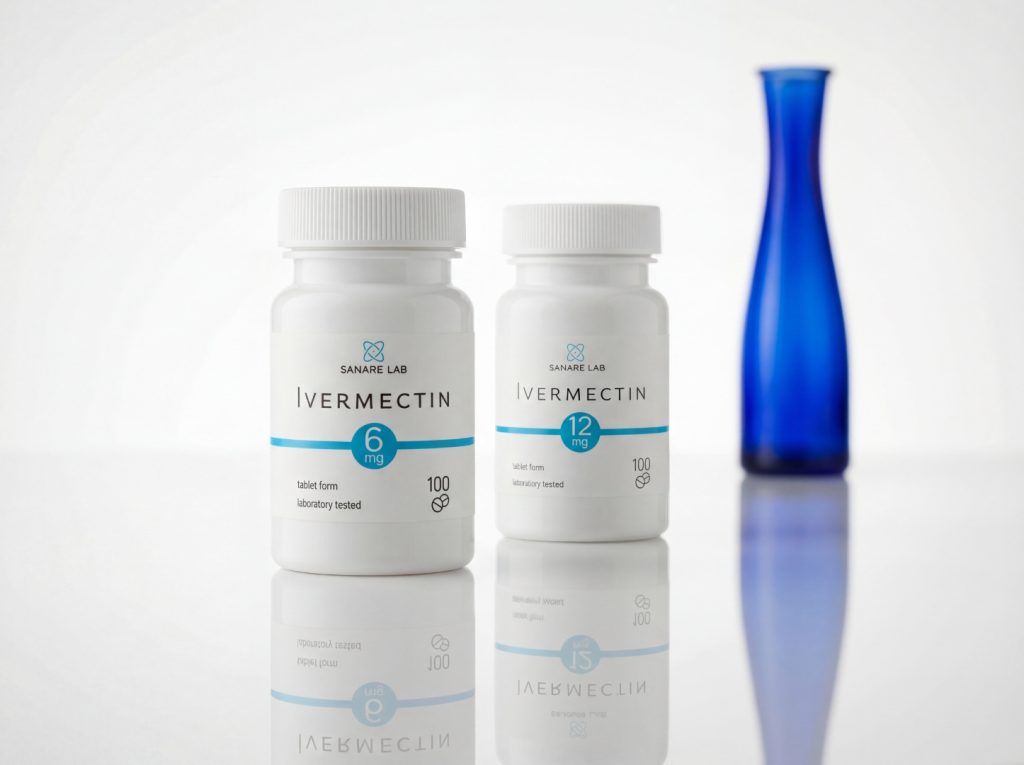
Ivermectin Dosage Guide: 6 mg vs 12 mg vs 18 mg — Which Is Right?
Choosing the correct ivermectin tablet strength is fundamental to research protocol design. This guide breaks down the three primary formulations available — 6 mg, 12 mg, and 18 mg — explaining the principles behind weight-based dosing, how each strength is referenced in published literature, and what to consider when selecting a formulation for your specific research context.
Why Dosage Matters in Ivermectin Research
Unlike many pharmaceutical compounds where a single fixed dose is universally applied, ivermectin research protocols frequently employ weight-based dosing expressed as micrograms per kilogram of body weight (µg/kg). This approach allows researchers to standardise systemic exposure across individuals of different body masses, producing more comparable pharmacokinetic profiles.
The standard reference dose most commonly cited in published antiparasitic studies is 200 µg/kg, which corresponds to roughly one 12 mg tablet for a 60–65 kg adult. Higher-dose protocols — such as those used in some lymphatic filariasis research — may reference 400 µg/kg or even 600 µg/kg, which is where the 18 mg formulation becomes relevant.
Understanding Weight-Based Dosing Principles
The relationship between body weight and ivermectin tablet strength is straightforward:
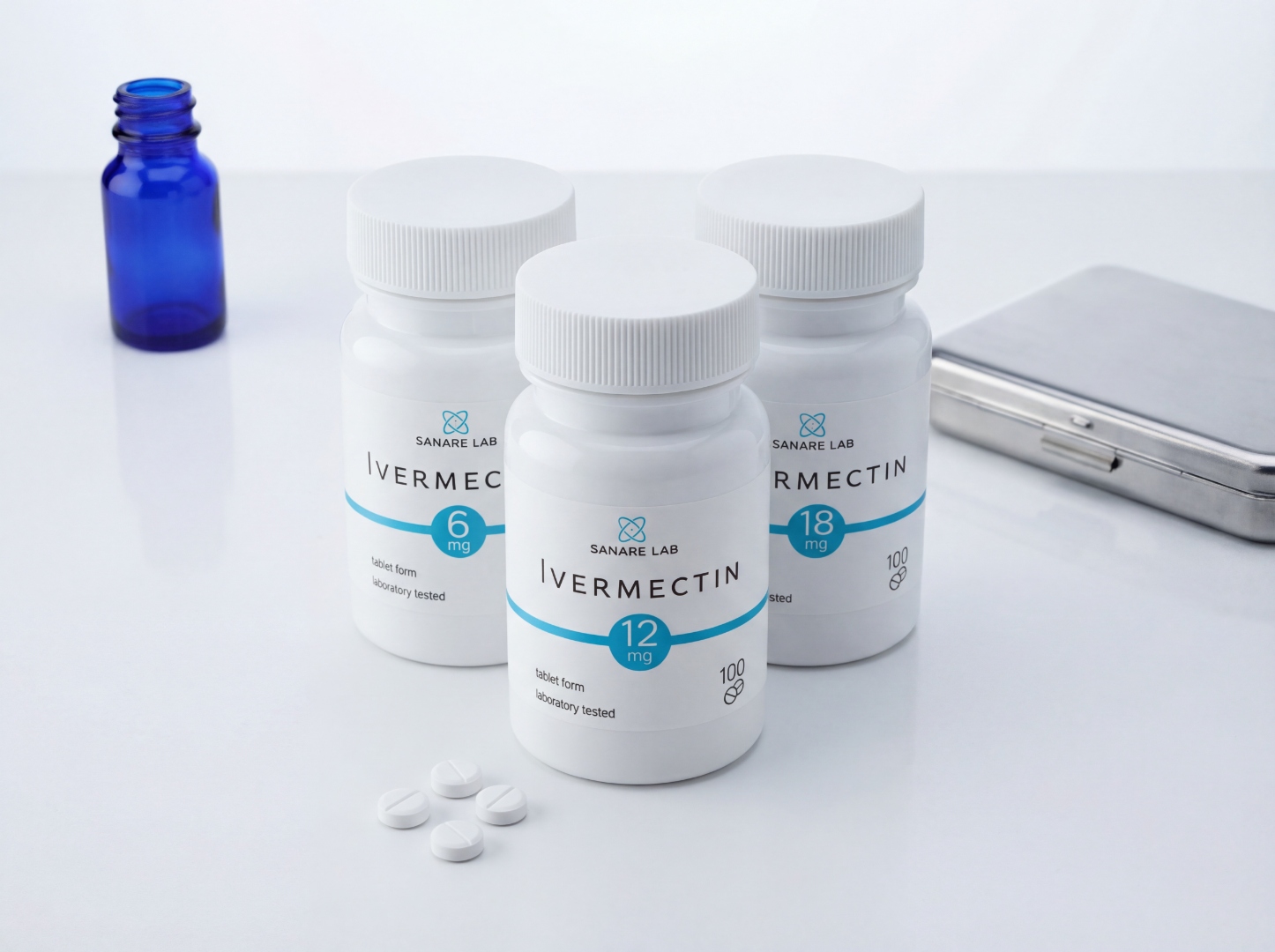
| Body Weight (kg) | 200 µg/kg Dose (mg) | Closest Tablet Strength | 400 µg/kg Dose (mg) | Tablet for Higher Protocol |
|---|---|---|---|---|
| 15–24 kg | 3–4.8 mg | 6 mg | 6–9.6 mg | 6 mg (×1–2) |
| 25–35 kg | 5–7 mg | 6 mg | 10–14 mg | 12 mg |
| 36–50 kg | 7.2–10 mg | 6 mg or 12 mg | 14.4–20 mg | 18 mg |
| 51–65 kg | 10.2–13 mg | 12 mg | 20.4–26 mg | 18 mg + 6 mg |
| 66–79 kg | 13.2–15.8 mg | 12 mg | 26.4–31.6 mg | 18 mg + 12 mg |
| 80+ kg | 16+ mg | 18 mg | 32+ mg | 18 mg ×2+ |
Note: This table is provided for research reference purposes. It does not constitute medical advice or dosing recommendations.
Ivermectin 6 mg — The Entry-Level Formulation
Profile & Research Context
The 6 mg tablet is the lowest-dose formulation commonly available and is most frequently referenced in research involving lower body weight ranges or reduced-dose experimental arms. It offers maximum granularity for weight-based protocol design, allowing researchers to titrate doses upward in 6 mg increments.
- Commonly cited in paediatric research protocols (adjusted per body weight)
- Useful as a supplementary tablet alongside 12 mg or 18 mg in higher-dose arms
- Allows precise dose construction when standard tablet strengths would overshoot target dose
- Widely available and cost-effective per milligram of active compound
Ivermectin 12 mg — The Standard Reference Dose
Why 12 mg Dominates the Literature
The 12 mg tablet is by far the most extensively studied and widely referenced formulation. When WHO guidelines, clinical trial protocols, and published research cite “standard adult dose,” they are almost universally describing a 12 mg tablet. This strength approximates the 200 µg/kg reference dose for a 60 kg adult — the median body weight used in landmark population studies from sub-Saharan Africa and South Asia where the bulk of ivermectin research has been conducted.

Key reasons the 12 mg formulation is the most purchased and most cited:
- Aligns precisely with the most widely used research protocol dose (200 µg/kg at ~60 kg body weight)
- Strikes the balance between sufficient systemic exposure and conservative tolerability margins
- Matches the dose used in the majority of the over 100 randomised controlled trials indexed in major research databases
- Covers the modal adult body weight range in most global population studies
Ivermectin 18 mg — Higher-Dose Protocols
When Researchers Choose 18 mg
The 18 mg formulation has seen growing interest as research protocols increasingly explore higher-dose ranges. Studies targeting 300–400 µg/kg or above — such as certain triple-drug combinations for lymphatic filariasis elimination or dose-escalation pharmacokinetic studies — typically require tablet strengths beyond 12 mg to maintain protocol compliance and minimise tablet burden.
- Referenced in studies involving participants with body weights above 80 kg at standard 200 µg/kg protocols
- Used in higher-dose experimental arms (400–600 µg/kg) as a primary or combined formulation
- Minimises the number of tablets required in multi-tablet regimens, improving protocol adherence tracking
- Represents the highest single-tablet dose commercially available
Comparing All Three Formulations at a Glance
| Feature | 6 mg | 12 mg | 18 mg |
|---|---|---|---|
| Price (100 tablets) | $59.99 | $99.99 | $149.99 |
| Best for body weight | <35 kg or supplementary | 50–75 kg (200 µg/kg) | 80+ kg or higher-dose arms |
| Most cited in literature | Paediatric / low-dose | Standard adult protocols | Higher-dose / dose-escalation |
| Purity | 99%+ HPLC verified | 99%+ HPLC verified | 99%+ HPLC verified |
| COA available | Yes | Yes | Yes |
Selecting the Right Formulation
For most researchers, the 12 mg tablet is the logical starting point — it aligns with the most prevalent research protocols and provides the best balance of cost, dose precision, and literature precedent. Researchers working with higher body weights or elevated-dose study arms should consider the 18 mg formulation. The 6 mg tablet excels as a supplementary unit or for protocols requiring precise incremental dose control.
For further context on sourcing quality-verified ivermectin, see our guide on How to Buy Ivermectin Online Safely and our technical overview of Ivermectin Purity & Quality: Why 99%+ Matters.